

PEDIATRIC SPEECH THERAPY
Developing speech is a difficult task and it is natural for young children to make mistakes in the process of learning to speak.
Sounds develop from birth until 7 years of age. Most children correct these errors in their speech and develop normal speech patterns. Some children continue to make errors beyond the age when other children have mastered these sounds.
When intervention is delayed, it takes four times as long to intervene in fourth grade as it does in late preschool because of brain development and because of the increase in content for students to learn as they grow older (National Institute of Child Health and Human Development).
The development of literacy starts from a young age. Children interact with books, magazines and grocery lists – this is called emergent literacy.
They learn to rhyme, point out logos, familiar street signs, scribble with crayons and name letters of the alphabet.
Children with weaker verbal abilities are more likely going to experience difficulties with literacy.
Speech-Language Therapists can address Speech- and Language challenges that may be impeding a child’s literacy skills. Through assessment, tailored interventions and collaboration with other professionals, we can support children in becoming proficient readers and writers.
AS SPEECH THERAPISTS, WE ARE EQUIPPED TO ASSIST WITH THE FOLLOWING:
-
-
- An articulation disorder is the atypical production of speech sounds characterized by substitutions, omissions, additions or distortions that may interfere with intelligibility.
- A fluency disorder is an interruption in the flow of speaking characterized by atypical rate, rhythm, and repetitions in sounds, syllables, words, and phrases. This may be accompanied by excessive tension, struggle behavior, and secondary mannerisms.
- A voice disorder is characterized by the abnormal production and/or absences of vocal quality, pitch, loudness, resonance, and/or duration, which is inappropriate for an individual’s age and/or sex.
-
-
- Oral phase (mouth) – sucking, chewing, and moving food or liquid into the throat.
-
- Pharyngeal phase (throat) – starting the swallow and squeezing food down the oesophagus. You need to close off your airway to keep food or liquid out. Food going into the airway can cause coughing and choking.
-
- Oesophageal phase – opening and closing the oesophagus (the tube that goes from the back of your throat to your stomach). The oesophagus squeezes food down to the stomach.
AS SPEECH THERAPISTS, WE ARE EQUIPPED TO ASSIST WITH THE FOLLOWING:
-
-
- An articulation disorder is the atypical production of speech sounds characterized by substitutions, omissions, additions or distortions that may interfere with intelligibility.
- A fluency disorder is an interruption in the flow of speaking characterized by atypical rate, rhythm, and repetitions in sounds, syllables, words, and phrases. This may be accompanied by excessive tension, struggle behavior, and secondary mannerisms.
- A voice disorder is characterized by the abnormal production and/or absences of vocal quality, pitch, loudness, resonance, and/or duration, which is inappropriate for an individual’s age and/or sex.
-
A communication disorder is an impairment in the ability to receive, send, process, and comprehend concepts or verbal, non-verbal and graphic symbol systems.
-
- Oral phase (mouth) – sucking, chewing, and moving food or liquid into the throat.
-
- Pharyngeal phase (throat) – starting the swallow and squeezing food down the oesophagus. You need to close off your airway to keep food or liquid out. Food going into the airway can cause coughing and choking.
-
- Oesophageal phase – opening and closing the oesophagus (the tube that goes from the back of your throat to your stomach). The oesophagus squeezes food down to the stomach.

MEET THE TEAM
Our team has been carefully selected to provide you with the best Speech Therapists for your little ones. We are so grateful for each member of our team who provides expert guidance to welcome you on this new journey.
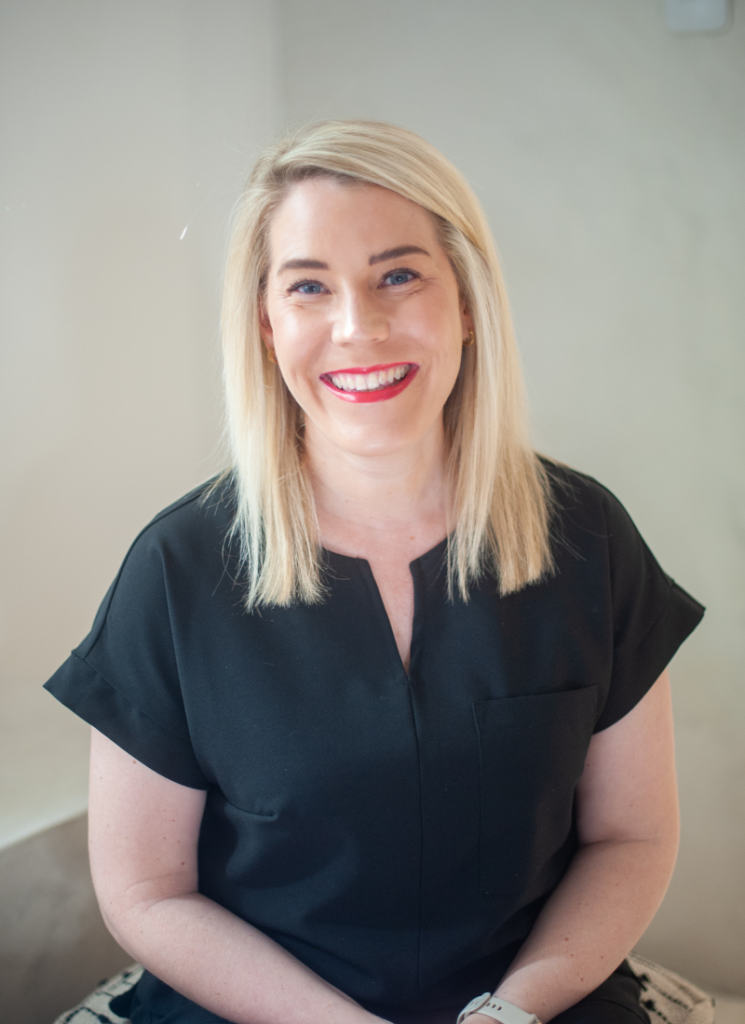
Hi, I am Jahna.
I have been working as a Speech Therapist for close to 13 years, with experience in government hospitals, specialized schooling environment for the learning-disabled child as well as functioning as part of a multi-disciplinary team.
I am a wife and mom of two boys that keep me on my toes. I enjoy early intervention and strive to assist each child in reaching their full potential.
FOUNDER
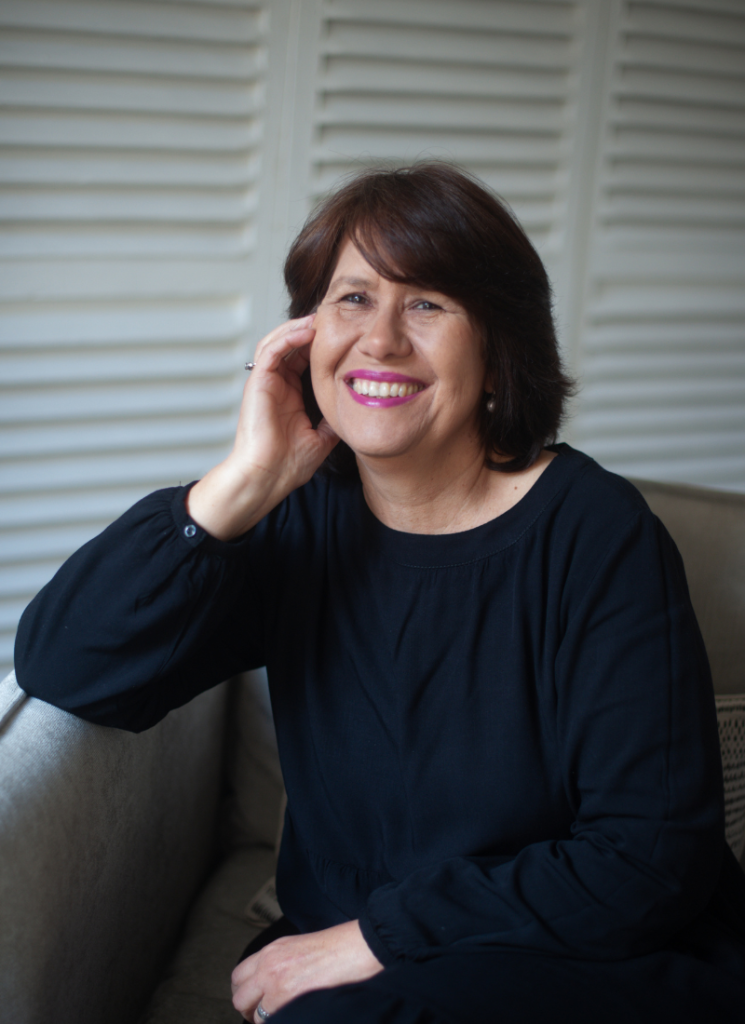
Hi, I am Wendy.
I am the practice manager and have over 20 years of experience working in the medical reception field.
I am the heart and soul behind Jahna Pheiffer Speech Therapy and have a smile that lights up the room.
I am dedicated to ensuring that every client feels welcomed and supported by fostering a warm, inclusive environment.
MANAGER
FOUNDER
Hi, I am Jahna.
I have been working as a Speech Therapist for close to 13 years, with experience in government hospitals, specialized schooling environment for the learning-disabled child as well as functioning as part of a multi-disciplinary team.
I am a wife and mom of two boys that keep me on my toes. I enjoy early intervention and strive to assist each child in reaching their full potential.
MANAGER
Hi, I am Wendy.
I am the practice manager and have over 20 years of experience working in the medical reception field.
I am the heart and soul behind Jahna Pheiffer Speech Therapy and have a smile that lights up the room. I am dedicated to ensuring that every client feels welcomed and supported by fostering a warm, inclusive environment.
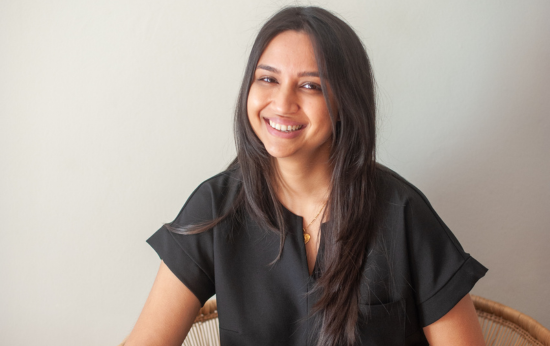
Hi, I am Mishta.
I completed my community service at Witbank Provincial Hospital in 2022 and currently completing my Master’s degree. I aim to provide a holistic approach to treatment with all my patients and emphasize that intervention is a marathon, not a sprint.
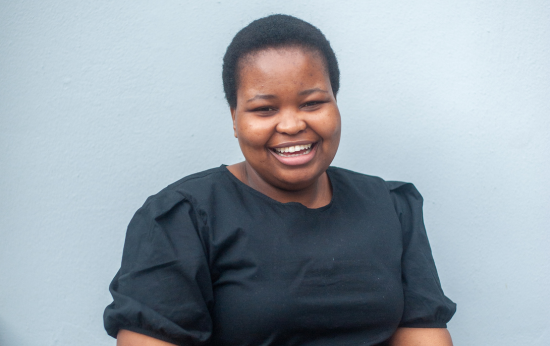
Hi, I am Nomthandazo.
I completed my community service in the rural Eastern Cape and now work with the pediatric and adult population. I am a kind and gentle person with a true passion for helping others.
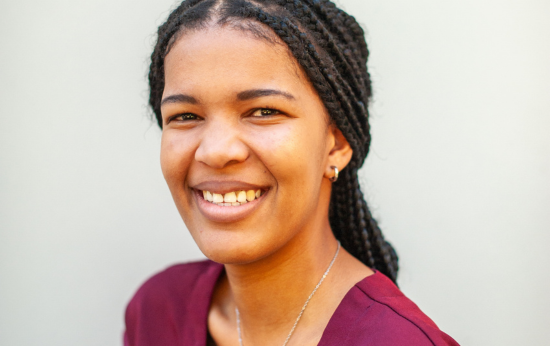
Hi, I am Monique.
My passion for Speech Therapy runs very deep. I enjoy celebrating every small success and helping little one’s progress along their therapeutic journey.